

Our services
Wellness & Medical Care
- Dogs
- Cats
- Birds
- Exotics
Fear-Free exams, vaccines, and parasite prevention, plus expert medical care and sick visits when your pet isn't feeling right.
- Nose to tail exam, every visit
- Vaccines chosen for your pet, not a fixed list
- Customized wellness and treatment plans
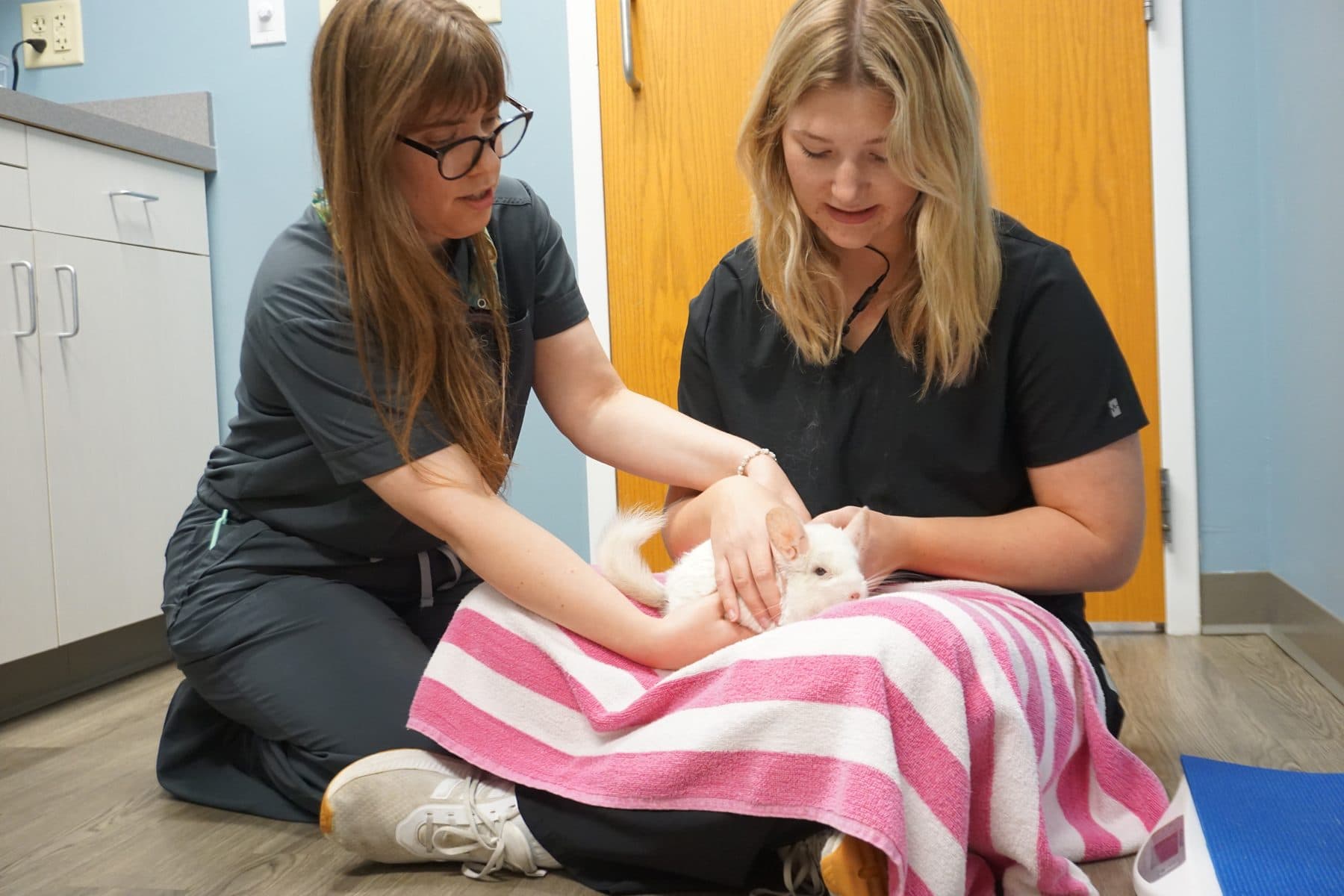
What it is
Care that keeps small problems small
Preventive care is the least dramatic thing we do, and the thing that changes outcomes most. Your pet ages roughly five to seven years for every one of yours, so a skipped year is a long stretch of unwatched time, and most of what goes wrong in it starts quietly.
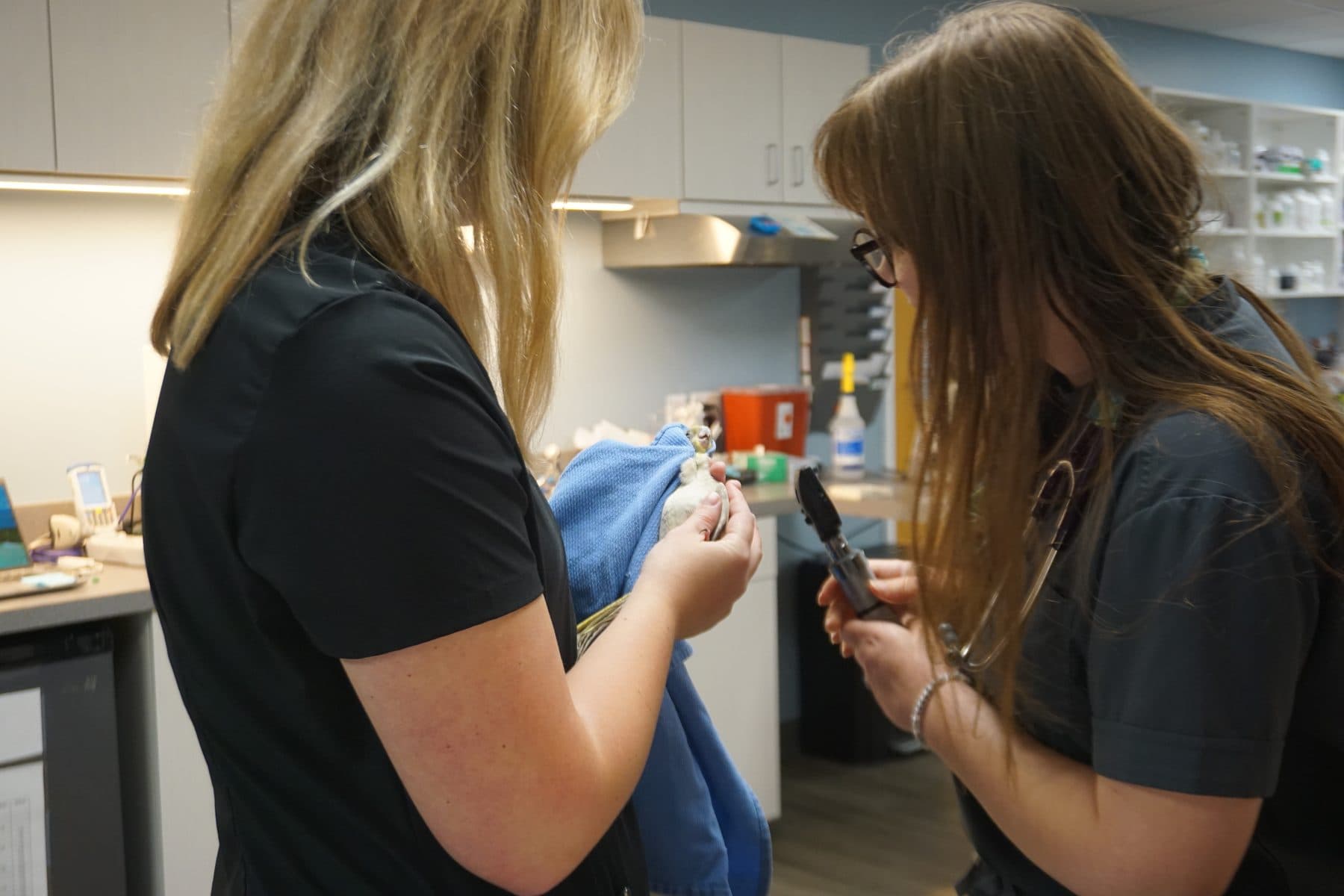
Pets are also built to hide trouble. Dogs downplay pain and cats are experts at it. Early kidney disease, a new heart murmur, arthritis, a painful tooth: at home these usually look like nothing at all, and on an exam table they look like something small and specific.
So a wellness visit is really two things at once. It is a physical exam that looks for what you cannot see from the couch, and it is a conversation about risk. Age, breed, weight, where your pet goes and who they meet all change what they actually need, and we would rather build the year around that than hand every pet the same list.
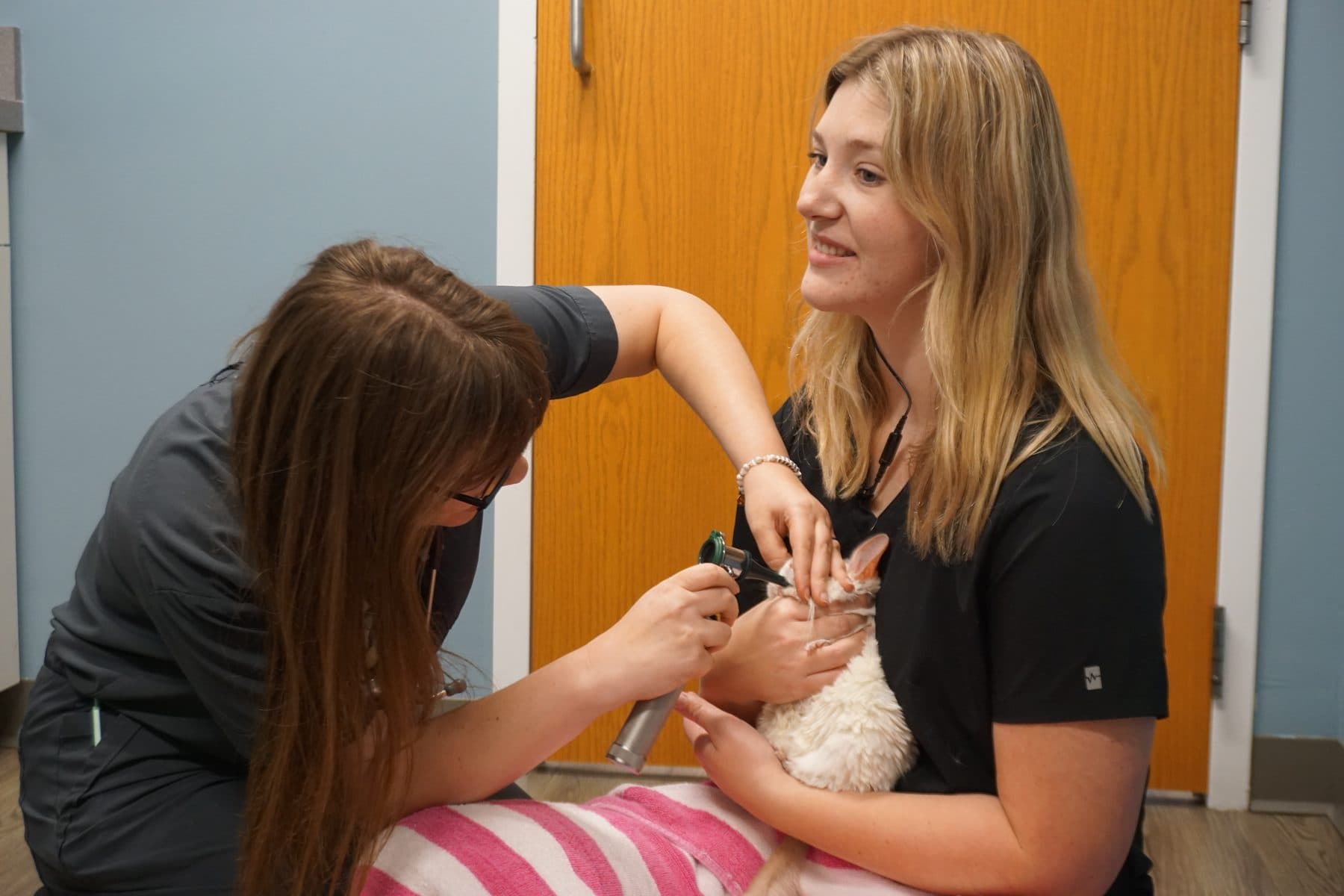
Inside the visit
Built Around Your Pet
- A full nose to tail physical exam, including heart, lungs, eyes, ears, skin, joints and mouth
- Weight and body condition score, recorded and tracked visit to visit
- Core and lifestyle vaccines chosen for your pet's real exposure, not a fixed list
- Annual heartworm testing for dogs, plus year round heartworm, flea and tick prevention
- Intestinal parasite screening, which also matters for the humans in the house
- Screening bloodwork and urine testing, especially as a senior baseline
- Nutrition, weight and life stage counseling, including prescription therapeutic diets
- A dental grade at every exam, so you always know where the mouth stands
- A written plan for the year and a clear list of what to watch for at home
When to book, beyond the yearly checkup
An annual exam is the floor, not the ceiling. It is worth calling sooner if:
- You have a new puppy or kitten, they need several rounds of vaccines before 16 weeks
- Your pet is a senior: twice yearly exams are the current recommendation
- Appetite, thirst, weight or bathroom habits have changed, in either direction
- They are slower on stairs, stopped jumping, or are sleeping in new places
- You feel a new lump, or an old one has changed
- Their breath has gotten bad, or they are chewing on one side
- It has been more than a year since anyone looked them over
- You are boarding, traveling, or starting daycare, training or a new sport
Your visit
What to expect
A wellness visit should not feel rushed, and you should leave knowing more than when you arrived. Here is how one usually goes.
- 1
A calm arrival
Fear Free handling starts before the exam room. Treats, a quiet pace, and cats kept off the floor and away from dogs. If your pet finds the clinic hard, tell us when you book so we can plan for it rather than improvise.
- 2
The questions before the exam
What they eat and how much, water intake, litter box or bathroom habits, energy, stairs, sleep, any new lumps. Owners notice things no test picks up, so this part is genuinely half the appointment.
- 3
Nose to tail exam
Eyes, ears, mouth and teeth, heart and lungs, abdomen, skin and coat, lymph nodes, joints and gait, plus weight and a body condition score recorded so we can compare it to last year rather than guess.
- 4
Prevention matched to real risk
Core vaccines go to every pet. Lifestyle vaccines depend on where your pet actually goes. Heartworm, flea and tick prevention is recommended year round, and dogs are tested for heartworm annually.
- 5
Screening tests, when they will tell us something
Bloodwork, urine and a fecal sample are not automatic. They earn their place when there is a finding to chase, a medication to monitor, or an age where a baseline is worth having.
- 6
A plan you leave with
What we found, what it means, what is due and when, and the specific things to watch for at home. If something needs rechecking in three months, you go home knowing that, not wondering.
Good to know
Common questions
How often does my pet really need an exam?+
Once a year is the minimum for a healthy adult dog or cat. Puppies and kittens need several visits in their first few months while the vaccine series is finished. For seniors, current AAHA guidance is every six months, because at that age six months is the equivalent of two to three human years and things change fast.
How long does a wellness visit take?+
Plan on about half an hour in the room, longer if your pet needs a slower approach or you have a lot to talk through. We would rather run a little long than send you home with an unanswered question.
My pet seems completely healthy. Is a checkup worth it?+
That is exactly when it is most useful. Healthy visits are where we get a baseline, catch the murmur or the lump or the weight creep early, and keep prevention current. In one screening study of dogs whose owners considered them healthy, 22 out of 100 turned out to have a heart murmur on exam. A normal exam is not a wasted exam, it is the reference point everything later gets compared to.
What does a wellness visit cost?+
There is an exam fee, and then it depends entirely on what your pet needs that day: vaccines, parasite prevention, bloodwork, a fecal test. Tell us what you want to cover and we will price it before we do it. Nothing gets added without asking you first.
Do indoor cats need wellness exams?+
Yes, and they are the group most likely to miss them. Nationally, about 57% of cat owners saw a vet in the past year compared with 74% of dog owners. Indoor cats still get dental disease, kidney disease, thyroid disease and arthritis, and they hide all four beautifully. Up to 40% of cats over 10 have chronic kidney disease.
Which vaccines does my pet actually need?+
Core vaccines are recommended for every dog and cat regardless of lifestyle. Beyond those, it depends on real exposure: dog parks, boarding, grooming, hunting, tick country, standing water. We will tell you which ones apply to your pet and which ones do not, and we are happy to explain the reasoning for each.
When does my pet count as a senior?+
It is based on expected lifespan rather than a fixed birthday, so a giant breed dog is a senior years before a small terrier is. Seven is a common rough marker, but we will tell you where your specific pet sits, because that is what determines when exams go from yearly to twice yearly.
Is my pet overweight, and does it actually matter?+
It matters more than almost anything else you control. Around 59% of dogs and 61% of cats are overweight, and only about 39% of dog owners and 45% of cat owners think their pet is. Excess weight drives arthritis, diabetes and breathing trouble, and the lean dogs in the Purina lifespan study lived a median of 1.8 years longer. We will score your pet's body condition at every visit and give you real numbers to feed, not just advice to feed less.
What should I bring to the first visit?+
Any prior records and vaccine history, the name of the food and how much they get, every medication and supplement including flea and tick products, and a fresh stool sample if you can manage one. Bring your questions too, written down if it helps, most people forget one.